


- WEBSITE -
 Current Location:
CASE
CASE APPLICATION
Hanging tomato cultivation method in Polycarbonate Greenhouses
AUTHOR:FENGZHIYUAN DATE:2026-11-06 22:23:25 HITS:98
High-Wire Tomato Cultivation in Climate-Controlled Polycarbonate Greenhouses
1. Modern Tomato Production with Controlled Environment Technology

Tomato cultivation in regions such as Saudi Arabia, the UAE, Qatar, and Kuwait faces significant challenges due to extreme temperatures, strong sunlight, and limited water resources.
Traditional outdoor farming and conventional greenhouses may struggle to maintain stable growing conditions throughout the year.
A climate-controlled polycarbonate greenhouse provides a more reliable solution for commercial tomato production. By integrating multi-wall polycarbonate panels, intelligent climate control systems, and high-wire cultivation technology, growers can create an optimized environment for healthy plant growth and consistent production.
2. Polycarbonate Greenhouse Structure

Polycarbonate panels are widely used in modern commercial greenhouse projects because of their durability, light transmission, and thermal insulation properties.
Compared with conventional single-layer plastic film, multi-wall PC panels offer several advantages:
- Thermal Insulation: Help reduce heat exchange between the indoor and outdoor environment.
- Light Diffusion: Distribute sunlight more evenly throughout the growing area.
- High Impact Resistance: Provide good resistance to hail and external impacts.
- UV Protection: UV-protected panels help maintain long-term performance under strong sunlight.
- Structural Stability: Suitable for commercial greenhouse structures designed for long-term agricultural production.
The PC panel thickness and structure should be selected according to local climate conditions, insulation requirements, and project specifications.
3. High-Wire Tomato Cultivation System
High-wire cultivation is a widely adopted growing method in modern commercial tomato greenhouses.
Instead of allowing tomato plants to spread horizontally, each plant is trained vertically using cultivation strings connected to overhead support wires.
This cultivation method offers several benefits:
- Better Space Utilization: Vertical plant training makes more efficient use of greenhouse height.
- Improved Air Circulation: Proper plant spacing and vertical growth help improve airflow around the crop.
- Easier Crop Management: Pruning, leaf removal, pollination, and harvesting become more convenient.
- Higher Production Potential: Indeterminate tomato varieties can continue growing and producing fruit over an extended cultivation cycle.
- Efficient Harvesting: Organized plant rows make commercial harvesting and daily maintenance easier.
The overhead trellis system must be structurally designed to support the combined loads of mature plants, fruit, wires, and associated equipment.
4. Intelligent Climate Control Systems
Temperature, humidity, light intensity, and air circulation directly influence tomato growth and fruit development.
For hot and dry regions, an integrated climate control system is particularly important.
Recommended equipment includes:
Ventilation System
Roof vents and side vents help remove accumulated heat and improve air exchange.
Cooling System
Cooling pads, exhaust fans, and high-pressure fogging systems can be integrated according to local humidity, water quality, and cooling requirements.
Shading System
External shading systems help reduce excessive solar radiation and lower the greenhouse cooling load.
Heating System
For regions with significant winter temperature fluctuations, suitable heating equipment helps maintain favorable growing conditions.
Intelligent Control System
Sensors and automatic controllers monitor temperature, humidity, and other environmental parameters, allowing ventilation, cooling, shading, and irrigation equipment to operate according to predefined settings.
5. Automatic Irrigation and Fertigation
Tomatoes require carefully managed water and nutrient supplies throughout their growing cycle.
A commercial drip irrigation and fertigation system can deliver water and nutrients directly to the root zone.
The integrated system can include:
- Water storage tanks and filtration equipment.
- Automatic fertilizer mixing and dosing.
- EC and pH monitoring.
- Drip irrigation pipes and dripper stakes.
- Drainage collection and optional nutrient solution recirculation.
Proper irrigation management helps maintain root-zone moisture, improve nutrient uptake, and reduce unnecessary water consumption.
6. Building a Complete Commercial Tomato Greenhouse
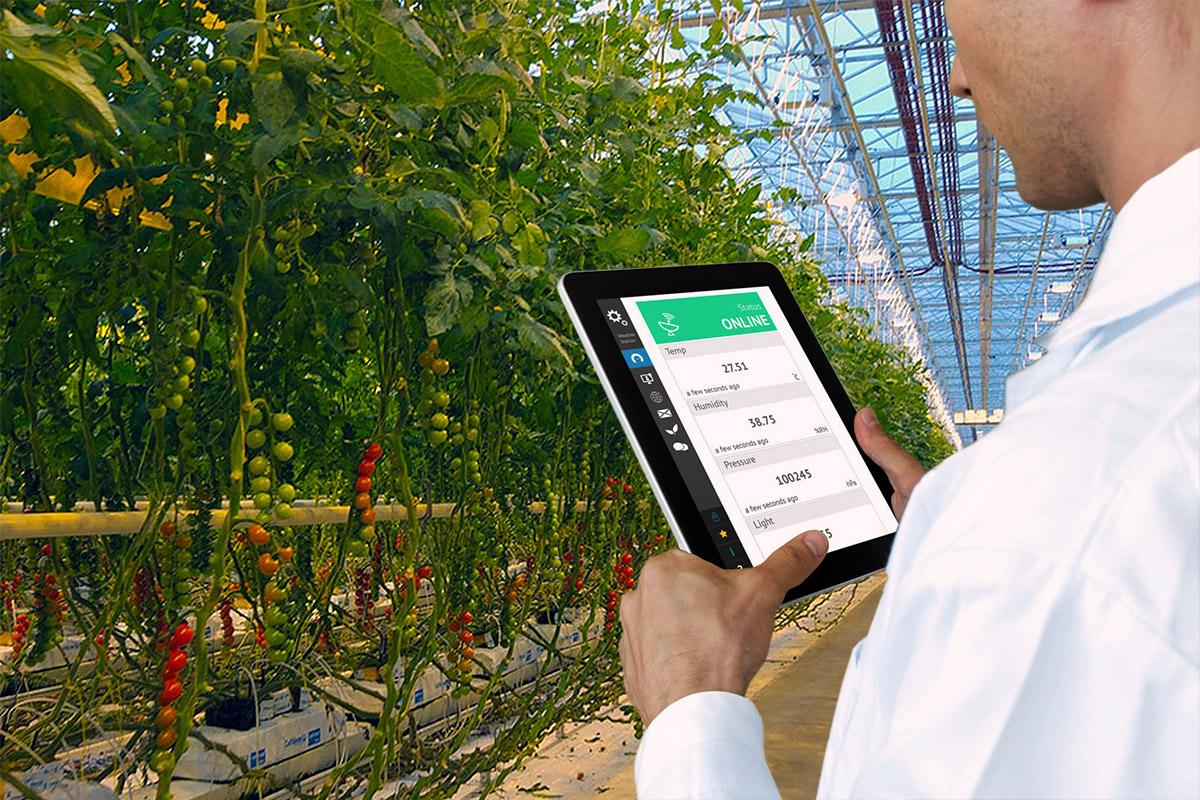
A successful commercial tomato greenhouse requires the coordinated design of its structure, cultivation system, and environmental control equipment.
FZY provides customized integrated solutions covering:
- Multi-wall polycarbonate greenhouse structures.
- High-wire tomato cultivation and overhead trellis systems.
- Automatic drip irrigation and fertigation.
- Ventilation and evaporative cooling systems.
- Internal and external shading systems.
- Intelligent climate monitoring and control.
- Engineering design, manufacturing, and installation support.
From greenhouse structure design to complete hydroponic and climate control integration, we help commercial growers establish efficient tomato production facilities based on local climate conditions and cultivation targets.
FZY – Integrated Greenhouse Solutions for Commercial Tomato Production.
Contact our engineering team to discuss your next commercial tomato greenhouse project.


FZY Greenhouse | Commercial Greenhouse & Hydroponic Solutions
Phone:+86 17798079751
Whatsapp:8617798079751
Address:Jiaohe Town, Botou City, Cangzhou City, Hebei Province
Copyright © 2024-2025 http://fzyagritech.com. All Rights Reserved FZY Greenhouse | Commercial Greenhouse & Hydroponic Solutions All Rights Reserved.


